Employee leave is often viewed as an HR concern, but it can also have a direct impact on payroll. The type of leave taken, available leave credits, approved dates, and company policies can all affect how an employee’s salary is calculated for a specific payroll period.
For businesses in the Philippines, proper coordination between leave management and payroll is important to help ensure accurate salary calculations, updated leave balances, and reliable employee records.
When leave information is managed separately from payroll, HR and payroll teams may need to manually transfer or verify data before each payroll run. This can increase the risk of missed entries, incorrect deductions, and outdated leave balances.
How Does Employee Leave Affect Payroll?
Employee leave can affect payroll depending on whether the leave is paid, unpaid, covered by available leave credits, or subject to specific company and statutory policies.
For example, an employee who takes approved paid leave may continue to receive their regular pay, while an employee taking unpaid leave may have a corresponding deduction based on company policy and applicable rules.
Before finalizing payroll, HR and payroll teams should review these 5 key leave details:
1. Leave Type
The leave type identifies whether an employee is taking vacation leave, sick leave, unpaid leave, or another approved type of absence. Different leave types may have different effects on attendance records, leave balances, and payroll calculations.
2. Leave Credits
Leave credits show how much leave an employee has available to use. Keeping these balances updated helps payroll determine whether an approved absence can be covered by available paid leave credits.
3. Approved Leave Dates
Approved leave dates indicate when the employee is officially scheduled to be on leave. These dates should match the employee’s a

4. Paid or Unpaid Status
The paid or unpaid status determines whether an approved leave is covered by available paid leave or may result in a salary deduction. This should be checked based on company policy and applicable requirements.
5. Payroll Impact
The payroll impact refers to how an employee’s leave may affect salary, deductions, attendance records, and other payroll calculations for the applicable pay period.
Reviewing these details before payroll is finalized can help HR and payroll teams identify discrepancies and ensure leave information is properly reflected in employee records.
Paid Leave vs. Unpaid Leave

One of the most important considerations in payroll is whether an employee’s leave is paid or unpaid.
Paid leave generally does not result in a salary deduction when an employee is entitled to use available paid leave credits based on company policy or applicable regulations.
Unpaid leave, on the other hand, may affect an employee’s salary for the payroll period. The payroll calculation may need to account for the number of unpaid leave days or hours and the company’s approved method for computing deductions.
This is why payroll teams need accurate information about the type, dates, duration, and paid or unpaid status of leave before processing salaries.
Why Leave Credits Matter in Payroll
Leave credits help HR and payroll teams determine whether an employee has available paid leave that can be used for an approved absence.
For example, an employee may have accumulated vacation leave credits and decide to use some of them during a payroll period. The leave should be properly recorded and deducted from the employee’s available balance.
If leave credits are not updated correctly, businesses may encounter:
- Incorrect leave balances
- Incorrect salary deductions
- Duplicate leave entries
- Unapproved leave being treated as paid
- Difficulty reconciling HR and payroll records
Maintaining accurate leave balances helps employees and HR teams have a clearer view of available credits while giving payroll teams more reliable information for salary processing.

What Happens When Leave Records and Payroll Are Separate?

In some organizations, leave applications are maintained through spreadsheets, email approvals, or separate records while payroll is processed through another system.
When information has to be transferred manually, HR and payroll teams may need to check and encode leave details before every payroll run.
This can increase the risk of:
- Missed leave entries
- Incorrect leave deductions
- Outdated leave balances
- Data entry errors
- Delays in payroll processing
- Additional time spent checking payroll records
A coordinated leave management and payroll system can help reduce repetitive manual data entry by keeping relevant employee information connected.
How Leave Management Can Support Payroll Accuracy
An effective leave management process can help HR and payroll teams maintain accurate employee records throughout the payroll cycle.
1. Keep Leave Applications Updated
Approved leave should be recorded promptly so payroll teams have the latest information before the payroll cut-off.
2. Track Leave Credits and Balances
Leave balances should be updated whenever leave is used, approved, or adjusted according to company policy.
3. Distinguish Paid and Unpaid Leave
Payroll needs to know whether an approved absence should affect an employee’s salary or be covered by available paid leave.
4. Review Absences Before Payroll Processing
Unapproved absences or absences without sufficient leave credits may require review before payroll is finalized.
5. Coordinate HR and Payroll Records
HR and payroll teams should work with the same updated employee information to reduce discrepancies between attendance, leave, and salary records.
PayrollPlus for Payroll and Leave Management
Managing payroll and employee leave through separate spreadsheets or systems can become increasingly difficult as a business grows. A dedicated payroll and HR solution can help bring related employee information into a more coordinated process.
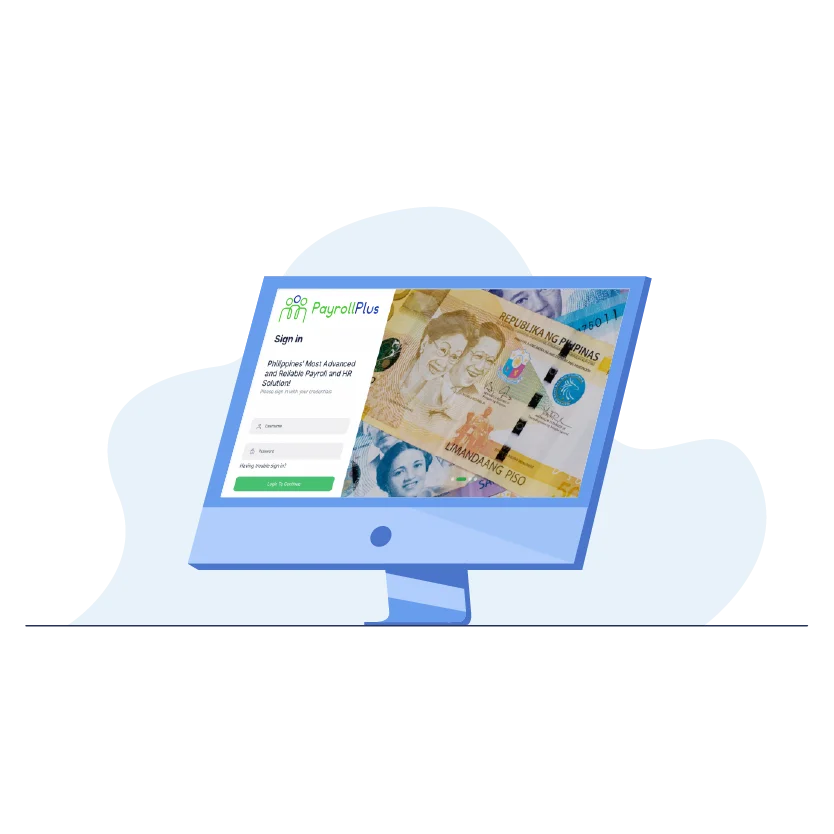
PayrollPlus is a payroll and HR solution designed to support businesses in managing essential employee and payroll processes. It provides features that can help organizations manage areas such as employee records, payroll, attendance, leave management, and employee self-service.
By coordinating leave and payroll information, businesses can have better visibility into employee leave balances and approved absences while reducing repetitive manual data entry.
For businesses in the Philippines, having a payroll system that supports local payroll and HR requirements can also help HR teams manage their day-to-day processes more efficiently.
Mustard Seed Systems Corporation: A Trusted Payroll Provider in the Philippines

Mustard Seed Systems Corporation is a business technology provider in the Philippines, helping organizations adopt technology solutions for payroll, HR, accounting, ERP, and business management.
Through PayrollPlus, Mustard Seed Systems Corporation provides businesses with a payroll and HR solution that supports employee management and payroll processes.
For companies looking for a trusted payroll provider in the Philippines, choosing a provider with experience in local business requirements, payroll processes, and HR technology is an important consideration.
Whether you are managing payroll for a growing workforce or looking to improve your current leave and payroll process, PayrollPlus by Mustard Seed Systems Corporation can support your organization’s payroll and HR requirements.
Frequently Asked Questions
Yes. Employee leave can affect payroll depending on whether the leave is paid or unpaid, the employee’s available leave credits, company policies, and applicable requirements.
Generally, approved paid leave covered by available leave credits does not result in a salary deduction, subject to company policy and applicable regulations.
Yes. Unpaid leave may result in a salary deduction for the applicable payroll period based on company policy and applicable payroll rules.
Leave credits help determine whether an employee has available paid leave and whether an approved absence may affect their salary.
Yes. HR and payroll systems such as PayrollPlus can help businesses coordinate employee leave, attendance, and payroll information.
Yes. PayrollPlus provides HR and payroll features that support employee records, attendance, leave management, and payroll processes.
The absence may be treated as unpaid or handled according to the company’s leave policy and applicable requirements.
Payroll software can help reduce manual data entry, maintain updated leave balances, and provide payroll teams with accurate leave information during payroll processing.
PayrollPlus is a payroll and HR solution designed to support businesses in the Philippines with payroll, employee records, attendance, and leave management.
Mustard Seed Systems Corporation is a business technology provider in the Philippines offering PayrollPlus, a payroll and HR solution that supports employee management, attendance, leave, and payroll processes.