Managing payroll is more than simply paying employees on time. For businesses in the Philippines, payroll involves complying with BIR regulations, SSS, PhilHealth, Pag-IBIG contributions, tax computations, overtime, holiday pay, leave conversions, and maintaining accurate employee records.
Choosing the right payroll provider can help your business reduce administrative work, improve compliance, minimize payroll errors, and create a better employee experience. Whether you’re a startup, SME, or large enterprise, selecting the right payroll solution is an important investment.
Why Your Payroll Provider Matters
A reliable payroll provider doesn’t just process salaries, it helps your organization stay compliant with Philippine labor laws while reducing the risk of costly mistakes.
An ideal payroll system should:
- Automate salary computations
- Calculate taxes and mandatory government contributions accurately
- Generate payslips automatically
- Support multiple payroll schedules
- Produce BIR and government reports
- Reduce manual encoding
- Protect sensitive employee information
- Scale as your business grows
Modern payroll platforms also integrate HR, attendance, leave management, and employee self-service, creating a more efficient HR ecosystem.
10 Factors to Consider When Choosing a Payroll Provider in the Philippines
1. Philippine Payroll Compliance
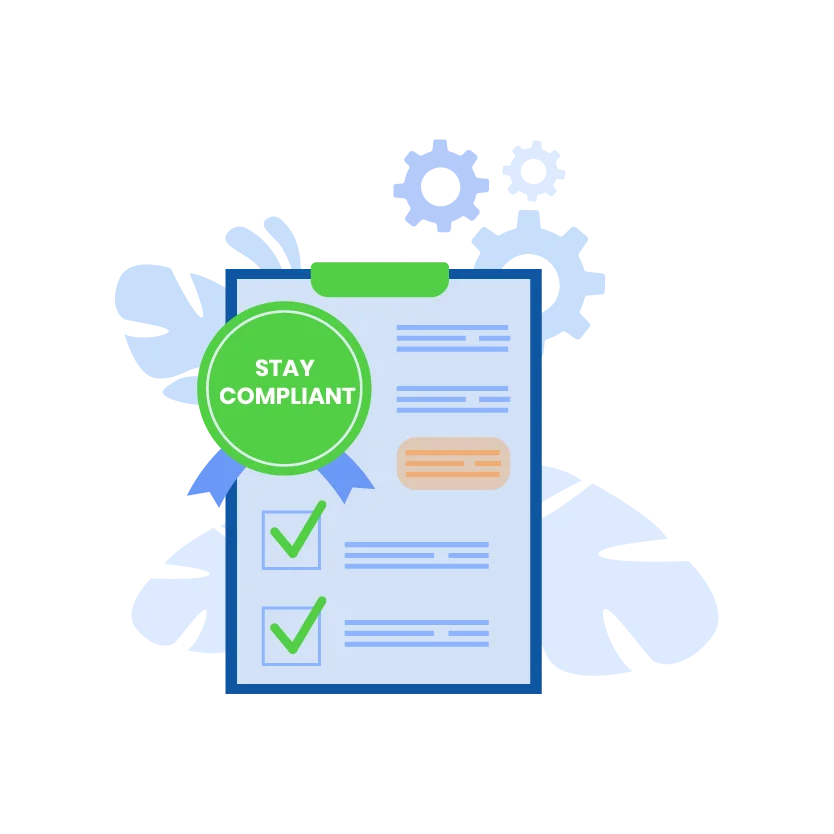
Your payroll provider should be designed specifically to comply with Philippine labor laws and government regulations. Choosing payroll software with built-in compliance features helps ensure accurate salary computations, timely statutory deductions, and up-to-date reporting requirements while reducing the risk of costly errors and penalties.
Look for software that supports:
- BIR withholding tax
- SSS contributions
- PhilHealth deductions
- Pag-IBIG contributions
- 13th Month Pay
- Holiday pay
- Night Differential
- Overtime pay
- Final Pay computation
- Government remittance reports
- Automatic regulatory updates
2. Payroll Automation
Manual payroll processing is time-consuming and prone to human error, especially as your workforce grows. A modern payroll solution automates repetitive tasks, streamlines payroll workflows, and ensures employees are paid accurately and on time. By reducing manual intervention, HR teams can focus on more strategic initiatives while improving efficiency and compliance.
The best payroll providers automate:
- Payroll computation
- Salary adjustments
- Loans and deductions
- Attendance import
- Leave conversion
- Payslip generation
- Government reports
Automation reduces processing time, minimizes payroll errors, and helps ensure consistent, accurate payroll every pay cycle.
3. Integration with HR and Timekeeping
Payroll is most effective when it seamlessly connects with your HR and timekeeping systems. An integrated solution eliminates duplicate data entry, ensures accurate payroll calculations, and keeps employee information synchronized across your organization. This streamlines HR operations, reduces administrative work, and improves overall efficiency.
Look for providers that integrate with:
- HRIS platforms (e.g., PayrollPlus HRIS)
- Biometric devices (e.g., ZKTeco)
- Web bundy/timekeeping systems
- Mobile attendance applications
- Leave management systems
- Employee records and master data
- Employee scheduling software
A payroll solution with broad integration capabilities ensures attendance data flows directly into payroll, reducing manual encoding, improving data accuracy, and enabling faster payroll processing with fewer errors.

4. Employee Self-Service Portal
Today’s employees expect convenient, secure, and anytime access to their payroll and HR information. An Employee Self-Service (ESS) portal empowers employees to manage routine HR tasks on their own, reducing administrative workload for HR while improving the overall employee experience.
A self-service portal should allow employees to:
- Download payslips
- File leave requests
- View attendance and time logs
- Update personal information
- Track payroll history
- View tax documents and statutory contributions
- Access company announcements and HR forms
A robust ESS portal reduces HR inquiries, improves data accuracy, and enhances employee satisfaction by giving employees greater visibility and control over their payroll and HR information.
5. Security and Data Privacy
Payroll systems store sensitive employee and financial information, making data security a critical consideration when choosing a payroll provider. A secure payroll solution should protect confidential data from unauthorized access while helping your organization comply with the Philippine Data Privacy Act and other relevant security standards.
Choose a provider with:
- Data encryption
- Secure cloud hosting
- Role-based user access controls
- Audit trails and activity logs
- Regular data backups and disaster recovery
- Multi-factor authentication (MFA)
- Compliance with the Philippine Data Privacy Act
Strong security and privacy measures safeguard payroll data, reduce the risk of data breaches, and give organizations confidence that employee information remains protected and compliant with regulatory requirements.

6. Scalability
Your payroll needs will evolve as your business grows, so it’s important to choose a solution that can scale with your organization. A scalable payroll system can support business expansion without requiring costly system replacements or disruptive migrations in the future.
Ask whether the provider supports:
- Multiple branches and locations
- Multiple companies or legal entities
- Different payroll frequencies (weekly, semi-monthly, monthly)
- Thousands of employees
- Flexible organizational structures (departments, divisions, cost centers)
- Business growth and future expansion
Choosing a scalable payroll solution helps future-proof your investment, ensuring your payroll system can adapt to changing business requirements while maintaining efficiency and accuracy as your workforce grows.
7. Reporting and Analytics
A good payroll system should provide clear reports that help HR and finance teams understand payroll costs, employee attendance, leave, and compliance.
Look for reports covering:
- Payroll summaries
- Department and employee labor costs
- Tax calculations and reports
- Government contributions and remittances
- Leave balances
- Attendance and overtime
- Payroll journals
- Payroll variance reports
These reports help businesses track payroll costs, check payroll accuracy, meet government reporting requirements, identify workforce trends, and make better decisions.


8. Customer Support
Reliable customer support is essential because payroll deadlines are non-negotiable. Whether you’re implementing a new system, resolving payroll issues, or adapting to regulatory changes, having access to knowledgeable support ensures payroll is processed accurately and on time.
Choose a provider with:
- Local implementation specialists
- Responsive technical support
- Experienced payroll experts
- User onboarding and training
- Ongoing customer assistance
- Support for payroll and compliance updates
Fast, dependable support is especially valuable during payroll cutoff periods, helping your team resolve issues quickly, minimize disruptions, and ensure employees are paid accurately and on schedule.
9. Cloud Accessibility
Cloud-based payroll systems give HR and payroll teams the flexibility to process payroll securely from anywhere with an internet connection. Unlike traditional on-premise software, cloud solutions provide automatic updates, enhanced accessibility, and lower IT maintenance costs, making them ideal for businesses with remote or multi-location operations.
Benefits include:
- Remote payroll processing
- Automatic data backups
- Real-time system updates
- Multi-location and multi-user access
- Lower infrastructure and maintenance costs
- Secure access from any device with internet connectivity
Cloud deployment improves business continuity, simplifies software maintenance, and ensures your payroll system is always up to date with the latest features, security enhancements, and regulatory changes.


10. Total Cost of Ownership
Price is an important consideration, but it shouldn’t be the only factor when selecting a payroll provider. Instead of focusing solely on the initial cost, evaluate the overall value the solution delivers in terms of compliance, automation, support, and long-term scalability. A slightly higher investment today can result in significant savings by reducing manual work, payroll errors, and compliance risks.
Compare providers based on:
- Implementation and setup costs
- Monthly or annual subscription fees
- User training and onboarding
- Technical and payroll support
- Software updates and regulatory compliance
- Future expansion and scalability
- Included features and integrations
The least expensive payroll solution isn’t always the most cost-effective. Choosing a provider that offers robust compliance, automation, reliable support, and room for growth can deliver a better return on investment and support your business as it evolves.
Questions to Ask Before Hiring a Payroll Provider
Selecting a payroll provider is a long-term business decision that affects compliance, operational efficiency, and employee satisfaction. Before signing a contract, ask the right questions to ensure the provider can meet your organization’s current requirements while supporting future growth.
Before signing a contract, ask:
- Is the software regularly updated to comply with Philippine tax and labor law changes?
- Can it automate payroll calculations, statutory deductions, and government contributions?
- Does it integrate with your HRIS, biometric devices, and attendance systems?
- Does it include an Employee Self-Service (ESS) portal?
- How is employee and payroll data secured?
- What implementation, training, and ongoing support are included?
- Can the system scale as your business grows?
Taking the time to evaluate these areas will help you choose a payroll provider that delivers accurate payroll processing, strong regulatory compliance, reliable customer support, and the flexibility to adapt as your organization expands.
Why Businesses Choose PayrollPlus by Mustard Seed Systems
PayrollPlus by Mustard Seed Systems is built specifically for Philippine businesses, helping organizations automate payroll, stay compliant, and improve HR efficiency.
Why choose PayrollPlus?
- 27+ years of payroll and business software implementation experience
- Certified payroll consultants for implementation, training, and support
- Nationwide presence with branches in Manila, Cavite, Dagupan, Cebu, Iloilo, Bacolod, Cagayan de Oro, and Davao
- Philippine payroll automation with BIR, SSS, PhilHealth, and Pag-IBIG compliance
- HRIS, biometric, and attendance system integration
- Employee Self-Service (ESS)
- Cloud-based, scalable solution for SMEs and large enterprises
With decades of local expertise and nationwide support, PayrollPlus helps businesses simplify payroll, ensure compliance, and grow with confidence.
Frequently Asked Questions
Choose a payroll provider that can automate payroll, keep you compliant with Philippine labor laws, integrate with your HR and attendance systems, protect employee data, and grow with your business.
PayrollPlus by Mustard Seed Systems offers all these features in one easy-to-use payroll solution, making payroll simpler and more accurate.
Payroll compliance helps your business follow Philippine regulations, including BIR, SSS, PhilHealth, Pag-IBIG, 13th-month pay, holiday pay, overtime, and other mandatory payroll requirements. Staying compliant helps you avoid penalties and payroll mistakes.
PayrollPlus is built specifically for Philippine payroll, so it automatically handles local compliance requirements and stays updated with regulation changes.
Instead of calculating salaries, taxes, deductions, and government contributions manually, payroll software does the work for you. This reduces errors and gives your HR team more time to focus on employees instead of paperwork.
PayrollPlus automates the entire payroll process, from salary computation to payslips and government reports, so payroll becomes faster and easier every payday.
A good payroll system should include:
- Automatic payroll computation
- Philippine compliance
- HR and attendance integration
- Employee Self-Service (ESS)
- Cloud access
- Payroll reports
- Strong security
- Room to grow with your business
PayrollPlus includes all of these features in one complete payroll and HR solution.
When your payroll system is connected to your HR and attendance software, employee data flows automatically. This means less manual encoding, fewer mistakes, and faster payroll processing.
PayrollPlus integrates with HRIS, biometric devices, timekeeping systems, and leave management software, making payroll much more efficient.
An ESS portal lets employees view their payslips, attendance, leave balances, tax documents, and personal information anytime without asking HR.
PayrollPlus includes a secure Employee Self-Service portal that gives employees quick access to their payroll information while reducing HR workload.
Payroll software should keep employee information safe with data encryption, secure cloud storage, user access controls, regular backups, and compliance with the Philippine Data Privacy Act.
PayrollPlus uses strong security features to help protect your payroll data and keep sensitive employee information secure.
Yes. As your company grows, your payroll system should be able to handle more employees, branches, payroll schedules, and business entities without needing to switch systems.
PayrollPlus is designed to support businesses of all sizes, from growing SMEs to large enterprises.
Payroll has strict deadlines, so getting fast and reliable support is important whenever you have questions or run into issues.
PayrollPlus is backed by Mustard Seed Systems’ experienced payroll consultants who provide implementation, training, and ongoing customer support.
Cloud payroll lets you process payroll from anywhere, receive automatic software updates, back up your data securely, and reduce IT maintenance costs.
PayrollPlus is a cloud-based solution that gives you secure access to payroll anytime and anywhere.
Manual payroll takes a lot of time and increases the risk of errors. Payroll software automates repetitive tasks, improves accuracy, and helps ensure employees are paid correctly and on time.
PayrollPlus simplifies payroll processing, reduces manual work, and helps businesses stay compliant with less effort.
PayrollPlus is designed specifically for Philippine businesses. It automates payroll, keeps you compliant with local regulations, integrates with HR and attendance systems, and includes a secure Employee Self-Service portal. Backed by over 27+ years of experience from Mustard Seed Systems, PayrollPlus helps businesses simplify payroll, reduce errors, and save valuable time