Philippine employers need to keep up with changes in government-mandated contributions to ensure accurate payroll processing and proper employee records. One important update is PhilHealth Circular No. 2026-0015, which covers solo parents and their children or qualified dependents under the National Health Insurance Program (NHIP).
Issued by the Philippine Health Insurance Corporation (PhilHealth), the circular provides guidelines on membership registration, premium contributions, and healthcare benefits for qualified solo parents. It also outlines how employers should handle PhilHealth contributions for solo parent employees in the formal economy
For HR and payroll teams, understanding this policy is important because employee eligibility, contribution records, and payroll deductions must be handled correctly. Businesses need to review their existing payroll procedures and ensure that qualified employees receive the appropriate treatment under the updated guidelines.

What Is PhilHealth Circular No. 2026-0015 About?
PhilHealth Circular No. 2026-0015, titled Coverage of Solo Parents and Their Children or Dependents to the National Health Insurance Program (NHIP), implements provisions of Republic Act No. 11861, also known as the Expanded Solo Parents Welfare Act.
Under the circular, solo parents registered with the appropriate Solo Parents Office (SPO) or Solo Parents Division (SPD), along with their qualified children or dependents, are covered by the NHIP, subject to the applicable registration and validation requirements.
The circular also establishes guidelines for premium contributions, including the government subsidy for qualified solo parents and the employer’s share for those employed in the formal economy.
These provisions matter to employers because PhilHealth contributions are part of regular payroll processing. HR and payroll personnel must ensure that employee records are updated and that the correct contribution amounts are reflected in payroll and remittance reports.
How Does the New PhilHealth Circular Affect Employers?
PhilHealth Circular No. 2026-0015 introduces requirements that employers should consider when reviewing their payroll and employee information management procedures.
1. The National Government Covers the Qualified Solo Parent’s Premium Contribution
Under the circular, the National Government pays the premium contributions of qualified solo parents. For solo parents employed in the formal economy, the employer and the National Government share the premium contribution equally.
What this means for payroll: Qualified solo parent employees should not be charged the portion of the PhilHealth premium assigned to the National Government. Employers must continue to account for their own share and follow PhilHealth’s applicable remittance and reporting guidelines.
The circular specifies that the employer’s share must be reflected and remitted according to the applicable premium contribution schedule. The government’s share must be reflected in the system as non-collectible from the solo parent, subject to PhilHealth’s Electronic Premium Remittance System (EPRS) and Remittance Report guidelines.
2. Employee Records Must Be Updated and Verified
Employers play a role in verifying the status of solo parent employees and supporting the required membership updates.
For employed solo parents, the circular outlines a process involving the PhilHealth Member Registration Form (PMRF), a valid Solo Parent Identification Card (SPIC), and supporting records where applicable. Employers may facilitate the submission of the required documents through their authorized PhilHealth representative.
A valid SPIC is important for registration or tagging under the Solo Parent membership classification. Employees should also be reminded to renew their identification card and update their records as required.
What this means for HR: Employee information must be accurate and current. Outdated records or an unverified membership classification may affect how an employee’s contribution is processed.
3. Payroll Deductions Must Reflect the Employee’s Eligibility
Payroll teams should review how PhilHealth contributions are calculated for qualified solo parent employees.
If an eligible employee is still being charged the portion subsidized by the National Government, the payroll team needs to investigate the employee’s membership classification and applicable contribution treatment.
This is also a good opportunity to review payroll records, deduction settings, and the process for communicating changes to affected employees.
4. Employers Must Continue to Meet PhilHealth Reporting Requirements
Correct payroll calculations are only part of the process. Employers must also ensure that contribution records and remittance reports follow PhilHealth’s current requirements.
The EPRS is used for employee list updates, premium remittance, and contribution reporting. Payroll information should therefore be consistent with the employee records submitted to PhilHealth.
Businesses should review their internal procedures and coordinate with their payroll provider when system adjustments or additional verification are needed.
How Can Payroll Software Help Employers Manage PhilHealth Contributions?
Government contribution rules can change, and manual payroll calculations can become difficult to manage as a company grows. HR teams may need to check employee classifications, review deductions, update payroll records, and verify reports before every cutoff.
Payroll software helps organize these tasks by keeping payroll calculations and employee information within a structured process.
For Philippine businesses, a reliable payroll system should support accurate salary computation, government-mandated deductions, employee records management, and payroll reporting. It should also give HR and payroll personnel a practical way to review payroll information before finalizing employee pay.
However, payroll software does not replace the employer’s responsibility to verify employee eligibility and follow the latest government guidelines. Companies should confirm that their payroll system is configured correctly for applicable policy changes.
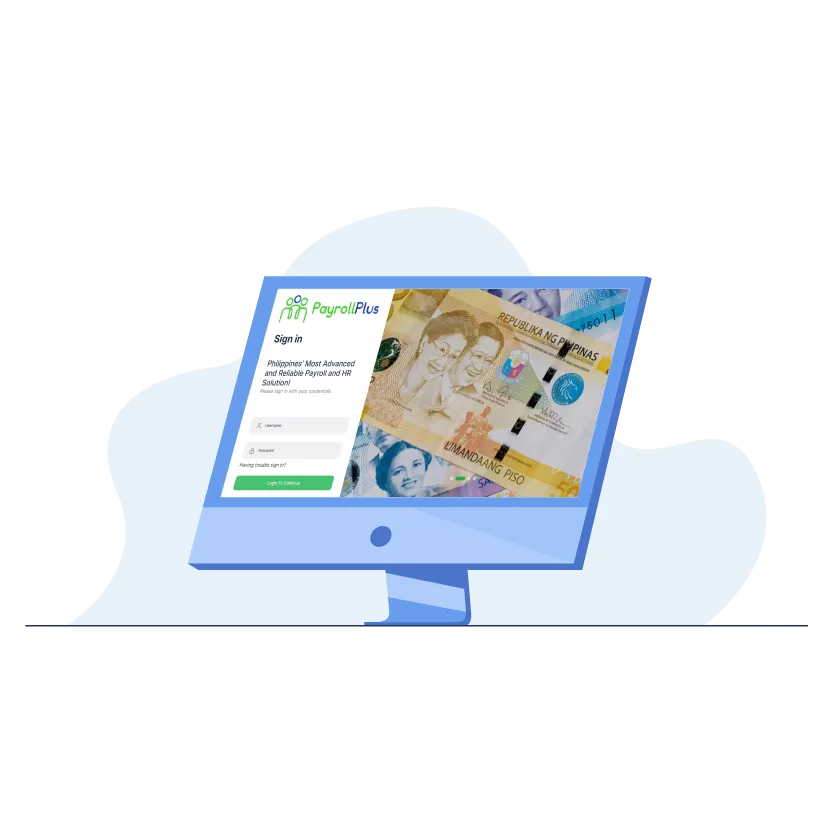
PayrollPlus by Mustard Seed Systems Corporation: Your Trusted Payroll Provider in the Philippines
Keeping up with PhilHealth requirements is easier when your HR team has a reliable payroll system and an experienced technology partner.
PayrollPlus by Mustard Seed Systems Corporation (MSSC) is a payroll solution designed to support Philippine businesses in managing their payroll operations, employee information, and payroll-related reporting requirements.
With PayrollPlus, businesses can manage essential payroll tasks through a system designed for local payroll needs, helping HR teams work with more consistent records and reducing their dependence on manual calculations.
How PayrollPlus Supports Your HR and Payroll Team
Accurate payroll computation
PayrollPlus supports salary computation and payroll processing, helping HR personnel manage employee pay and applicable deductions more consistently.
Government contribution calculations and reporting
Managing SSS, PhilHealth, Pag-IBIG, and tax-related payroll requirements involves checking applicable rates, employee information, and report details. PayrollPlus supports government contribution calculations and payroll reporting, helping teams organize these responsibilities.
For policy changes such as PhilHealth Circular No. 2026-0015, businesses should confirm the applicable system configuration and any required updates with their payroll provider.
Employee records management
Keeping employee information updated helps HR teams review payroll details and identify records that may require correction or verification. A structured payroll system supports better record management throughout the payroll cycle.
Payroll reports for review
Payroll reports help HR and finance personnel check salary computations, deductions, and other payroll details before completing payroll processing. These records are useful when reviewing changes to employee contributions and investigating discrepancies.
Support from a local payroll solutions provider
Mustard Seed Systems Corporation provides business software solutions for Philippine companies. Through PayrollPlus, MSSC helps businesses manage their payroll requirements with a system suited to local operations and the support of a technology provider familiar with Philippine business processes.
As government requirements evolve, working with a payroll provider can help your team assess the impact of new policies and determine what adjustments may be needed in your payroll workflow.
What Should Employers Do After PhilHealth Circular No. 2026-0015?
To prepare for the circular’s payroll implications, HR and payroll teams should consider the following steps:
- Identify affected employees. Review your employee records to determine which employees may qualify under the solo parent provisions.
- Verify supporting documents. Coordinate with employees regarding their valid Solo Parent Identification Card and required membership information.
- Review PhilHealth deductions. Check whether the employee’s contribution is being handled according to the applicable rules for qualified solo parents.
- Check employer contribution records. Ensure the employer’s share is properly calculated, reflected, and remitted under the applicable PhilHealth guidelines.
- Review payroll system settings. Coordinate with your payroll provider to confirm whether configuration changes or updates are necessary.
- Validate reports before remittance. Make sure payroll records and PhilHealth reporting information are consistent before submission.
These steps can help reduce payroll discrepancies and give employees greater confidence that their contributions are being handled correctly.
Frequently Asked Questions
PhilHealth Circular No. 2026-0015 provides guidelines for the coverage of solo parents and their children or qualified dependents under the National Health Insurance Program. It covers membership registration, premium contributions, and benefit entitlements.
Yes. For qualified solo parents employed in the formal economy, the employer continues to pay its share of the PhilHealth premium. The National Government covers the other share, subject to the circular’s applicable requirements.
The portion assigned to the National Government should not be collected from the qualified solo parent employee. Employers must apply the appropriate contribution treatment based on verified eligibility and the applicable PhilHealth guidelines.
The circular outlines a process involving the PhilHealth Member Registration Form, a valid Solo Parent Identification Card, and supporting records where applicable. Employers should refer to the official circular and coordinate with PhilHealth for the current registration and validation procedures.
Payroll software can help organize employee information, calculate payroll and applicable government contributions, and generate payroll reports. Employers must still verify employee eligibility, ensure the system reflects current requirements, and complete the necessary PhilHealth reporting and remittance procedures.
PayrollPlus by Mustard Seed Systems Corporation supports payroll computation, government contribution calculations, employee record management, and payroll reporting. Businesses should coordinate with MSSC to confirm the system configuration and any adjustments needed for specific PhilHealth policy changes.